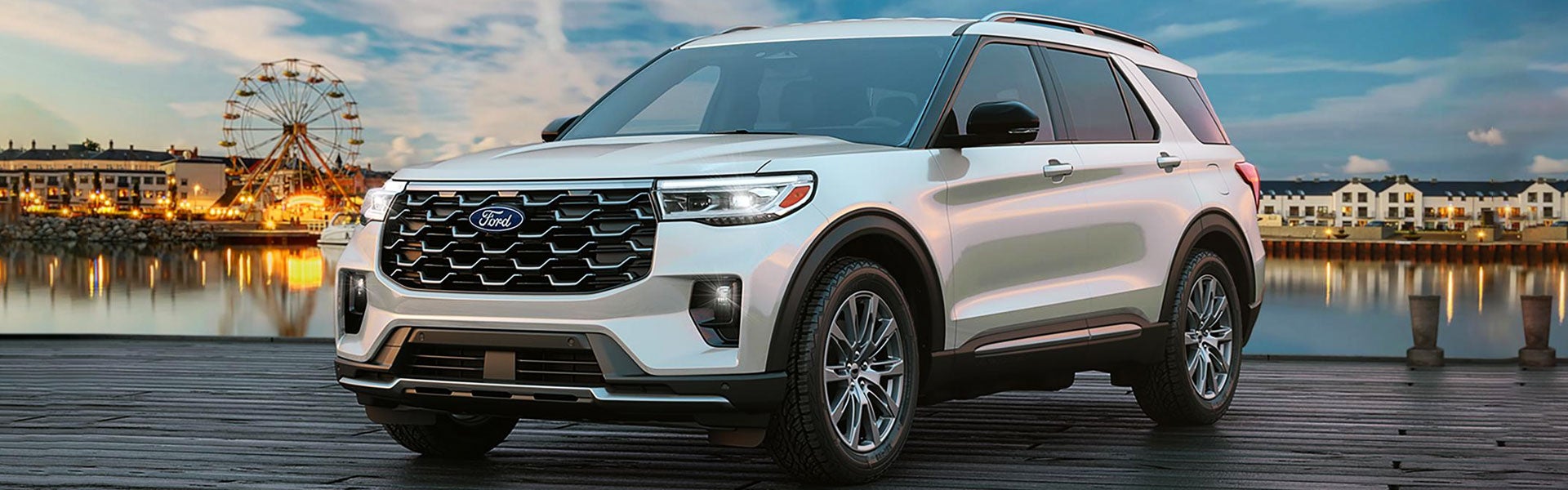

6th Generation Ford Explorer: The Ford Explorer currently on sale, including the 2027 models we carry at Formula Ford of Rutland, belongs to the sixth generation that began with the 2020 model year. Ford rebuilt the SUV around a rear-wheel-drive-based CD6 platform shared with the Lincoln Aviator, replacing the front-wheel-drive-based unibody design used from 2011 through 2019. That shift brought stronger available V6 power, a 400-horsepower ST model, a hybrid option, and a roomier, more modern cabin with up to a 13.2-inch touchscreen. Whether you're comparing trims, engines, or just want to know what sets this generation apart, our team can walk you through every Explorer in stock. The Ford Explorer has worn a lot of different shapes since it first arrived in 1991, but nothing reshaped the formula quite like the move into its sixth generation. At Formula Ford of Rutland, we hear the same question from Rutland, Vermont drivers almost every week: what actually makes this generation different from the ones that came before it? The short answer is that Ford changed almost everything underneath the sheet metal, and quite a bit above it, too. This generation traces back to the 2020 model year and carries through the Explorer models on our lot today, including the current 2027 lineup. Rather than simply refreshing the exterior, Ford rebuilt the SUV from the frame rails up on an all-new, rear-wheel-drive-based platform shared with the Lincoln Aviator. That single decision changed how the Explorer drives, how much it can tow, and how its cabin is arranged, and it's part of why the Explorer remains one of the most popular SUVs we sell here in Rutland. Shop the Explorer Lineup in Rutland What Changed When the Explorer Entered Its Sixth Generation Before 2020, the Explorer rode on a front-wheel-drive-based unibody platform it had used since 2011, sharing its underpinnings with vehicles like the Ford Taurus and Flex. The sixth generation broke from that layout entirely. Ford moved the engine to a longitudinal orientation and built the SUV on the CD6 platform, a rear-wheel-drive-based architecture it also uses for the Lincoln Aviator. The payoff showed up immediately: stronger available towing, more balanced front-to-rear weight distribution, and a cabin that could be laid out more efficiently because the drivetrain no longer dictated the floor plan. Sharing a platform with a Lincoln also meant the Explorer picked up a more premium-feeling chassis and suspension tuning than most mainstream three-row SUVs get. Ford gave the redesigned Explorer an all-steel body and reworked interior packaging that made room for genuine seven-passenger seating, and the 2020 model earned an IIHS Top Safety Pick+ rating right out of the gate. Ford then carried this same platform forward through a 2025 model-year refresh that brought a larger grille, restyled lighting, and bigger screens, and again into the 2026 and current 2027 model years, all still part of the same sixth generation rather than a new one. If you're shopping the Ford Explorer lineup here in Rutland, every trim on our lot is built on this foundation. Engine and Performance Options Across the Lineup The sixth generation opened up more ways to power an Explorer than any generation before it. The standard engine is a 2.3-liter EcoBoost four-cylinder making 300 horsepower and 310 lb-ft of torque, paired with a 10-speed automatic transmission in every configuration. Drivers who want more muscle can step up to a 3.0-liter EcoBoost V6 rated at 365 horsepower, or the version tuned specifically for the Explorer ST, which pushes output to 400 horsepower and 415 lb-ft. For buyers who'd rather prioritize efficiency without giving up three-row flexibility, a 3.3-liter hybrid V6 pairs with an electric motor for a combined 318 horsepower, making it one of the more fuel-efficient options in the segment. Depending on trim and engine, you can also choose rear-wheel drive or Ford's intelligent four-wheel drive, which gives the Explorer real flexibility whether you're commuting around Rutland or heading out on backroads for the weekend. Every engine in the current lineup pairs with the same 10-speed automatic, so shifting between gas, hybrid, and performance-tuned configurations feels familiar no matter which one you choose. Interior Space, Comfort, and Technology Upgrades Inside, the sixth-generation Explorer offers up to 87.8 cubic feet of cargo space behind the front row, and available heated and ventilated front captain's chairs make long drives more comfortable for families and commuters alike. An optional panoramic Vista Roof brings natural light into all three rows, which is a small detail that makes a big difference on longer trips. On the technology side, every Explorer comes with a fully digital gauge cluster, and depending on trim you'll find a touchscreen as large as 13.2 inches with wireless Apple CarPlay and Android Auto built in. Standard Ford Co-Pilot360 driver-assist features, including blind-spot monitoring, lane-keeping assistance, and automatic emergency braking, come on every trim, and Ford's connected services keep the vehicle's software current without a trip to the shop. Trim Levels Built for Every Kind of Driver The sixth generation has evolved its trim lineup more than once, and the current range reflects that. Active sits at the entry point with a bit more ground clearance and all-terrain tires for light outdoor use, while ST-Line adds a sportier look without the ST's extra power underneath. Tremor takes things further for drivers who actually want to leave the pavement, with off-road-tuned suspension and more aggressive tires, and Platinum tops the lineup with the most upscale interior, a Bang & Olufsen sound system, and the longest feature list. Tremor replaced the earlier Timberline trim as Ford's off-road-focused option, so if you remember shopping a Timberline a few years back, Tremor is effectively its successor with updated hardware. Because the lineup covers so much ground, from a daily commuter to a genuine off-road-capable SUV to a 400-horsepower performance model, it's worth sitting down with our team to figure out which trim actually fits how you drive. We can build and price the exact configuration you want, and when you're ready to see one in person, you can schedule a test drive at our Rutland showroom. Why the Sixth-Generation Explorer Still Makes Sense Today Because this generation has been in production since 2020, there's more than one way to get into one. A brand-new 2027 model gets you the latest grille, the biggest available touchscreen, and current trim options, while an earlier sixth-generation Explorer through our certified pre-owned program still delivers the same rear-wheel-drive-based platform and roomy cabin at a lower price point. That's a meaningful advantage over a redesign year, where the earliest examples of a brand-new platform can carry more unknowns. Whichever direction fits your budget, our financing team can walk you through the numbers, and if you've got a vehicle to trade in, we'll factor that into the deal as well. Our team at Formula Ford of Rutland is happy to walk you through every Explorer trim, engine, and feature in person or over the phone at 802-683-2411. See What's In Stock Right Now FAQ What generation is the current Ford Explorer? The Ford Explorer currently in production, including the 2027 models we carry at Formula Ford of Rutland, is part of the sixth generation. This generation began with the 2020 model year and has continued through a 2025 refresh and into the 2026 and 2027 lineups, all built on the same rear-wheel-drive-based CD6 platform. Ford hasn't announced a replacement platform, so the sixth generation remains current. What's different between the fifth-generation and sixth-generation Explorer? The fifth-generation Explorer, sold from 2011 through 2019, used a front-wheel-drive-based unibody platform shared with other Ford models. The sixth generation moved to a rear-wheel-drive-based platform with a longitudinal engine layout, which improved towing capability, balance, and interior packaging. Is a hybrid Ford Explorer available? Yes. The sixth generation offers a 3.3-liter hybrid V6 that combines with an electric motor for 318 combined horsepower, giving drivers a three-row SUV with stronger efficiency than the standard gas engines. What makes the Explorer ST different from other trims? The Explorer ST uses a specially tuned 3.0-liter EcoBoost V6 rated at 400 horsepower and 415 lb-ft of torque, along with sport-tuned suspension and unique styling cues. You can see more of what sets it apart on our Explorer ST design highlights page. How can I estimate my monthly payment on a new Explorer? Our payment calculator lets you plug in a price, down payment, and term to get a quick estimate before you ever visit the dealership, and our finance team can refine those numbers once you're ready to talk specifics. Browse Our Ford Explorer Inventory