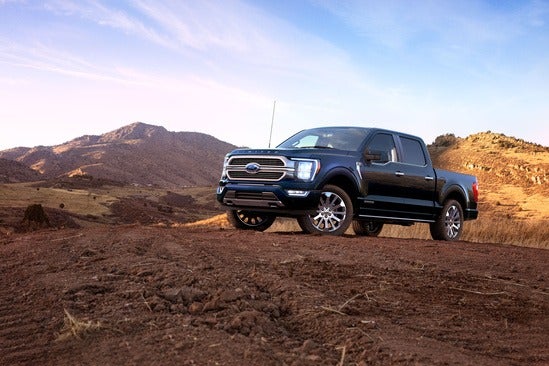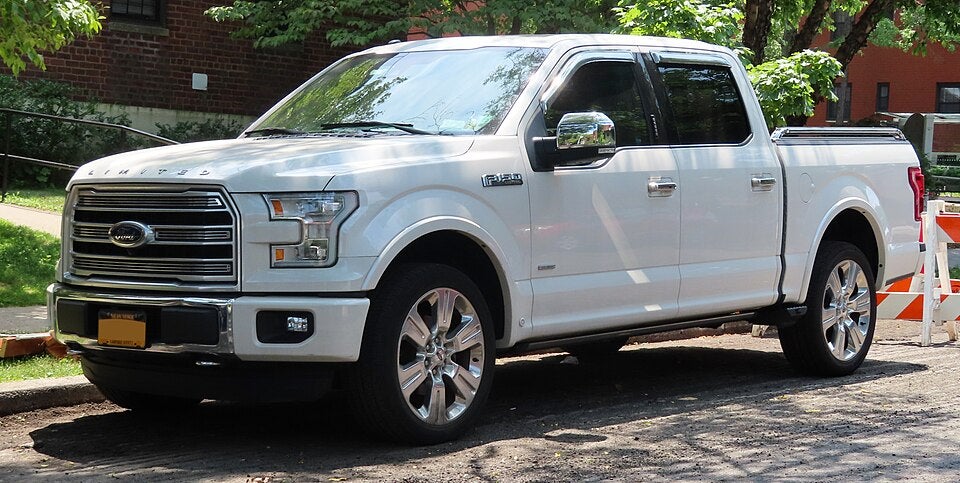

Ford Truck Materials: Ford's truck lineup doesn't use one formula. The Maverick is a steel-dominant unibody with an aluminum hood, the Ranger is a steel body-on-frame truck with a handful of aluminum closures, and both the F-150 and Super Duty use a high-strength aluminum-alloy body mounted on a fully boxed steel frame. If you're asking specifically about Super Duty trucks like the F-250 and F-350, the answer is yes — their cab, doors, hood, and bed are aluminum, while the frame underneath stays steel. We can walk you through how each approach holds up for Vermont driving, towing, and winters. Pop the hood on a few different Ford trucks side by side and you'll notice something: they're not all built the same way. Customers at Formula Ford of Rutland ask us constantly whether Ford trucks are aluminum or steel, and the honest answer depends on which truck you're talking about. A Maverick, a Ranger, an F-150, and a Super Duty each strike a different balance between the two materials, and knowing the difference can change how you think about weight, payload, rust resistance, and repair costs. We'll break down what each model in the current lineup is actually built from — you can browse our full lineup of Ford trucks for sale at once — go deep on the question we hear most, which is whether Ford Super Duty trucks are aluminum, and explain why Ford doesn't use the same formula across every truck it sells. Shop Our Ford Truck Inventory What Ford Trucks Are Made From, Model by Model Start with the smallest truck in the lineup. The Maverick is built as a unibody, meaning the body and frame form one welded structure, more like a car than a traditional pickup, and Ford builds that structure mostly out of steel, with the hood and a handful of smaller parts made from aluminum to trim weight where it matters most. Step up to the Ranger and the construction changes again. It's a traditional body-on-frame truck, and while the frame and most of the body stay steel, Ford uses aluminum for a few specific panels, including the hood, front fenders, and part of the tailgate. The F-150 and Super Duty take the opposite approach. Both ride on a high-strength steel frame, but the cab, doors, hood, and bed are built from aluminum alloy, a strategy Ford first used on the F-150 for the 2015 model year and then carried over to Super Duty for 2017. If you're cross-shopping a half-ton against something heavier, our Super Duty inventory is a good place to start comparing. Are Ford Super Duty Trucks Really Aluminum? This is the question we hear most, so let's answer it directly: yes. Every current Ford Super Duty, the F-250, F-350, and F-450, uses a high-strength aluminum-alloy body for the cab, doors, hood, and bed. That's been true since Ford redesigned the Super Duty for the 2017 model year, two years after making the same switch on the F-150, and it's carried through every Super Duty generation since, including the current lineup. The frame is a different story. Ford builds the Super Duty frame from fully boxed, high-strength steel, because no aluminum alloy on the market matches steel's strength-to-cost ratio at the loads a heavy-duty frame has to carry. Towing a 30-foot camper or hauling a flatbed trailer puts enormous stress through the frame rails, and that's a job Ford still trusts to steel rather than aluminum. So a Super Duty isn't an all-aluminum truck — it's aluminum where weight savings pay off and steel where strength can't be compromised. Why Some Ford Trucks Use More Aluminum Than Others If aluminum saves weight everywhere, why doesn't every Ford truck use it the same way? Construction type is a big part of the answer. A unibody truck like the Maverick already saves weight through its structure, so there's less need to pay the extra manufacturing cost of converting the whole body to aluminum. A body-on-frame truck like the Ranger sits in the middle, picking up aluminum on a few higher-value panels without going all-in. For the F-150 and Super Duty, the math works differently. These trucks carry and tow the most weight in the lineup, so every pound Ford can shave off the body is a pound it can hand back as payload or towing capacity. Swapping steel body panels for aluminum ones shed as much as 350 pounds off the Super Duty's overall weight when Ford made the switch, and that savings shows up directly in higher payload and towing numbers compared to the steel-bodied trucks it replaced. What the Material Choice Means for Weight, Payload, Rust, and Repairs Whichever Ford truck you're looking at, the material mix affects more than just the spec sheet. Aluminum resists corrosion in a way bare steel never could on its own, which matters even more here in Vermont, where road salt is a fact of life for about half the year. That's one reason Super Duty and F-150 owners in our area often plan on driving their trucks for a decade or more. A few simple maintenance habits go a long way toward protecting either material from the elements, whatever truck you end up with. It also changes repairs. Collision work on an aluminum panel calls for different tools, different welding methods, and technicians trained specifically for it, so not every body shop is equipped to do it correctly. Our service team can point you toward shops in the area that handle it the right way, and our parts department can get you the right components whether your truck's panels are steel, aluminum, or both. When it's time for routine upkeep, you can schedule service online in a couple of minutes. If you're shopping used, a Super Duty or F-150 from the aluminum-body era is usually a safer long-term bet against rust than an older, all-steel model. For extra peace of mind, our certified pre-owned trucks go through additional inspection before they're ever resold. Which Ford Truck Fits the Job Once you know what each truck is built from, the next question is which one actually fits what you need. The Maverick makes sense for drivers who want pickup-bed versatility with car-like efficiency and a lower price point — if keeping the price down matters most, it's worth checking our vehicles under $25k selection, where the Maverick often lands. The Ranger splits the difference, offering real body-on-frame towing and off-road capability in a size that's easier to park and fuel than a full-size truck. Whichever body style makes sense on paper, scheduling a test drive is still the best way to feel the difference between a unibody Maverick and a body-on-frame Super Duty. The F-150 is still the do-it-all choice for most drivers, with enough capability for regular towing and hauling without stepping up to Super Duty pricing or size. If your work means serious payload, heavy trailers, or job-site duty, the F-250, F-350, and F-450 step up frame strength and towing capacity well beyond what a half-ton can offer, and that's before factoring in commercial or fleet needs, like a contractor adding a snow plow ahead of a Vermont winter. We also handle commercial financing separately from personal financing if that's the route you need. Whatever you're leaning toward, we can walk you through financing, a trade-in value on your current vehicle, a custom factory order if you want a specific configuration built to spec, or help weighing buying vs. leasing if you're not sure which makes more sense. It's also worth checking our new specials before you decide, since incentives change monthly. Our team has spent years helping Rutland-area drivers and tradespeople match the right truck to the job, and that same approach is a big part of why our dealership keeps earning repeat business from the local trades. See Which Ford Trucks Are In Stock FAQ Are Ford Super Duty trucks made of aluminum? Yes. The cab, doors, hood, and bed on every current Super Duty are built from high-strength aluminum alloy, a change Ford made for the 2017 model year and has kept through every generation since. The frame underneath is still high-strength steel. Is the Ford F-150 aluminum too? Yes, and it came first. Ford switched the F-150 to an aluminum-alloy body for the 2015 model year, two years before doing the same on the Super Duty, and both trucks still pair that aluminum body with a steel frame today. What about the Ranger and Maverick — are they aluminum? Only partly. The Maverick is a mostly-steel unibody with an aluminum hood, and the Ranger is a steel body-on-frame truck with aluminum used on panels like the hood, front fenders, and part of the tailgate. Neither goes nearly as far into aluminum as the F-150 or Super Duty. Does the aluminum body affect gas mileage or payload? It helps both. Shedding weight from the body panels makes the engine's job a little easier, which can improve real-world fuel economy, and that same weight savings gets handed back as extra payload and towing capacity. Our best gas mileage Fords page compares options across the lineup if efficiency is a priority. How do I figure out which Ford truck is right for me? Start with how you'll actually use the truck, then let the construction differences above guide the rest. Our find my car tool can help narrow down body style and trim, and our payment calculator can give you a realistic number before you ever set foot on the lot. Feel free to call us at 802-683-2411 if you'd rather just talk it through. Find Your Next Ford Truck