
Blog / Explorer

What's Special About 6th Generation Ford Explorers?

6th Generation Explorer

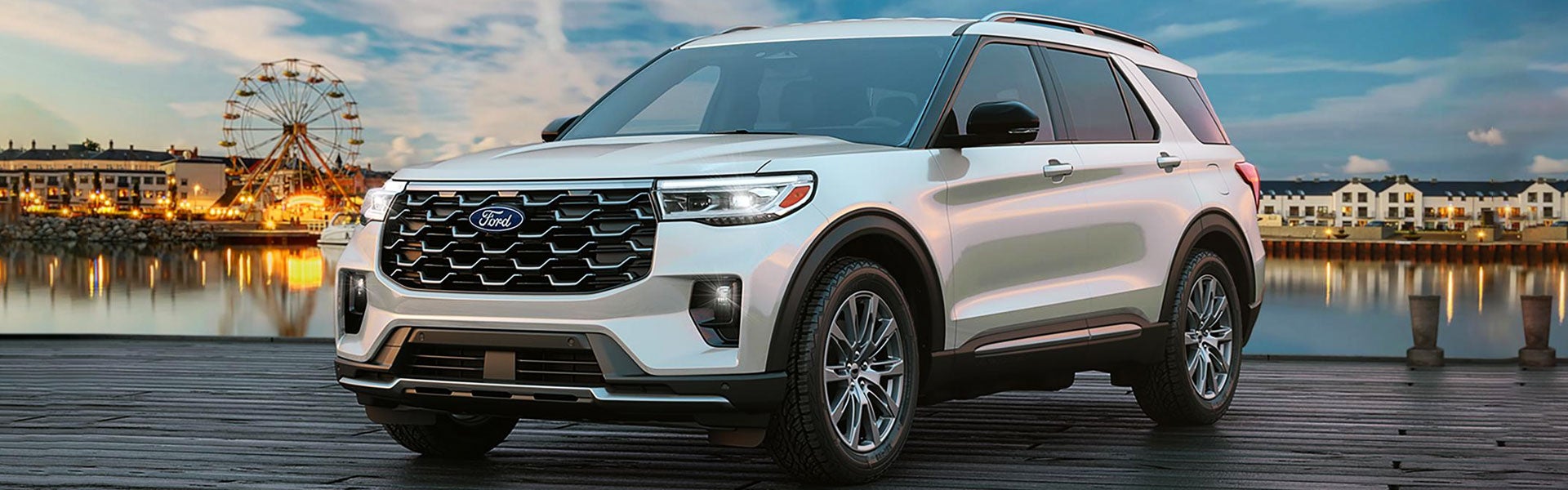
6th Generation Ford Explorer: The Ford Explorer currently on sale, including the 2027 models we carry at Formula Ford of Rutland, belongs to the sixth generation that began with the 2020 model year. Ford rebuilt the SUV around a rear-wheel-drive-based CD6 platform shared with the Lincoln Aviator, replacing the front-wheel-drive-based unibody design used from 2011 through 2019. That shift brought stronger available V6 power, a 400-horsepower ST model, a hybrid option, and a roomier, more modern cabin with up to a 13.2-inch touchscreen. Whether you're comparing trims, engines, or just want to know what sets this generation apart, our team can walk you through every Explorer in stock.

The Ford Explorer has worn a lot of different shapes since it first arrived in 1991, but nothing reshaped the formula quite like the move into its sixth generation. At Formula Ford of Rutland, we hear the same question from Rutland, Vermont drivers almost every week: what actually makes this generation different from the ones that came before it? The short answer is that Ford changed almost everything underneath the sheet metal, and quite a bit above it, too.

This generation traces back to the 2020 model year and carries through the Explorer models on our lot today, including the current 2027 lineup. Rather than simply refreshing the exterior, Ford rebuilt the SUV from the frame rails up on an all-new, rear-wheel-drive-based platform shared with the Lincoln Aviator. That single decision changed how the Explorer drives, how much it can tow, and how its cabin is arranged, and it's part of why the Explorer remains one of the most popular SUVs we sell here in Rutland.

What Changed When the Explorer Entered Its Sixth Generation

Before 2020, the Explorer rode on a front-wheel-drive-based unibody platform it had used since 2011, sharing its underpinnings with vehicles like the Ford Taurus and Flex. The sixth generation broke from that layout entirely. Ford moved the engine to a longitudinal orientation and built the SUV on the CD6 platform, a rear-wheel-drive-based architecture it also uses for the Lincoln Aviator. The payoff showed up immediately: stronger available towing, more balanced front-to-rear weight distribution, and a cabin that could be laid out more efficiently because the drivetrain no longer dictated the floor plan. Sharing a platform with a Lincoln also meant the Explorer picked up a more premium-feeling chassis and suspension tuning than most mainstream three-row SUVs get.

Ford gave the redesigned Explorer an all-steel body and reworked interior packaging that made room for genuine seven-passenger seating, and the 2020 model earned an IIHS Top Safety Pick+ rating right out of the gate. Ford then carried this same platform forward through a 2025 model-year refresh that brought a larger grille, restyled lighting, and bigger screens, and again into the 2026 and current 2027 model years, all still part of the same sixth generation rather than a new one. If you're shopping the Ford Explorer lineup here in Rutland, every trim on our lot is built on this foundation.

Engine and Performance Options Across the Lineup

The sixth generation opened up more ways to power an Explorer than any generation before it. The standard engine is a 2.3-liter EcoBoost four-cylinder making 300 horsepower and 310 lb-ft of torque, paired with a 10-speed automatic transmission in every configuration. Drivers who want more muscle can step up to a 3.0-liter EcoBoost V6 rated at 365 horsepower, or the version tuned specifically for the Explorer ST, which pushes output to 400 horsepower and 415 lb-ft.

For buyers who'd rather prioritize efficiency without giving up three-row flexibility, a 3.3-liter hybrid V6 pairs with an electric motor for a combined 318 horsepower, making it one of the more fuel-efficient options in the segment. Depending on trim and engine, you can also choose rear-wheel drive or Ford's intelligent four-wheel drive, which gives the Explorer real flexibility whether you're commuting around Rutland or heading out on backroads for the weekend. Every engine in the current lineup pairs with the same 10-speed automatic, so shifting between gas, hybrid, and performance-tuned configurations feels familiar no matter which one you choose.
2027 Ford Explorer interior showing touchscreen and digital technology features

Interior Space, Comfort, and Technology Upgrades

Inside, the sixth-generation Explorer offers up to 87.8 cubic feet of cargo space behind the front row, and available heated and ventilated front captain's chairs make long drives more comfortable for families and commuters alike. An optional panoramic Vista Roof brings natural light into all three rows, which is a small detail that makes a big difference on longer trips.

On the technology side, every Explorer comes with a fully digital gauge cluster, and depending on trim you'll find a touchscreen as large as 13.2 inches with wireless Apple CarPlay and Android Auto built in. Standard Ford Co-Pilot360 driver-assist features, including blind-spot monitoring, lane-keeping assistance, and automatic emergency braking, come on every trim, and Ford's connected services keep the vehicle's software current without a trip to the shop.

Trim Levels Built for Every Kind of Driver

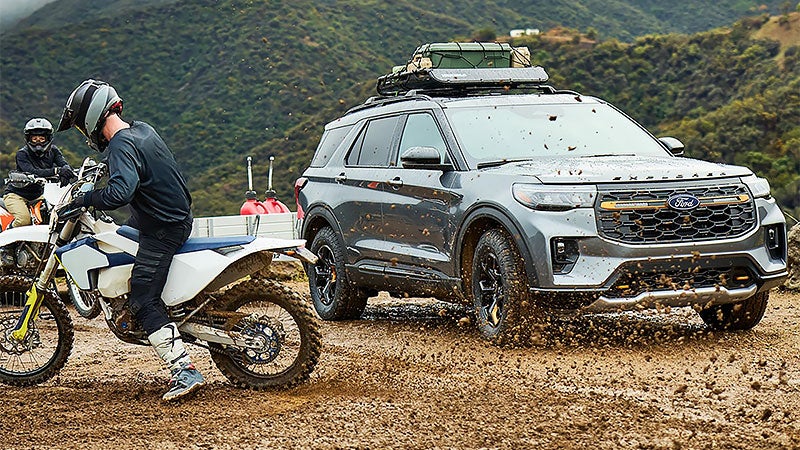
The sixth generation has evolved its trim lineup more than once, and the current range reflects that. Active sits at the entry point with a bit more ground clearance and all-terrain tires for light outdoor use, while ST-Line adds a sportier look without the ST's extra power underneath. Tremor takes things further for drivers who actually want to leave the pavement, with off-road-tuned suspension and more aggressive tires, and Platinum tops the lineup with the most upscale interior, a Bang & Olufsen sound system, and the longest feature list. Tremor replaced the earlier Timberline trim as Ford's off-road-focused option, so if you remember shopping a Timberline a few years back, Tremor is effectively its successor with updated hardware.

Because the lineup covers so much ground, from a daily commuter to a genuine off-road-capable SUV to a 400-horsepower performance model, it's worth sitting down with our team to figure out which trim actually fits how you drive. We can build and price the exact configuration you want, and when you're ready to see one in person, you can schedule a test drive at our Rutland showroom.
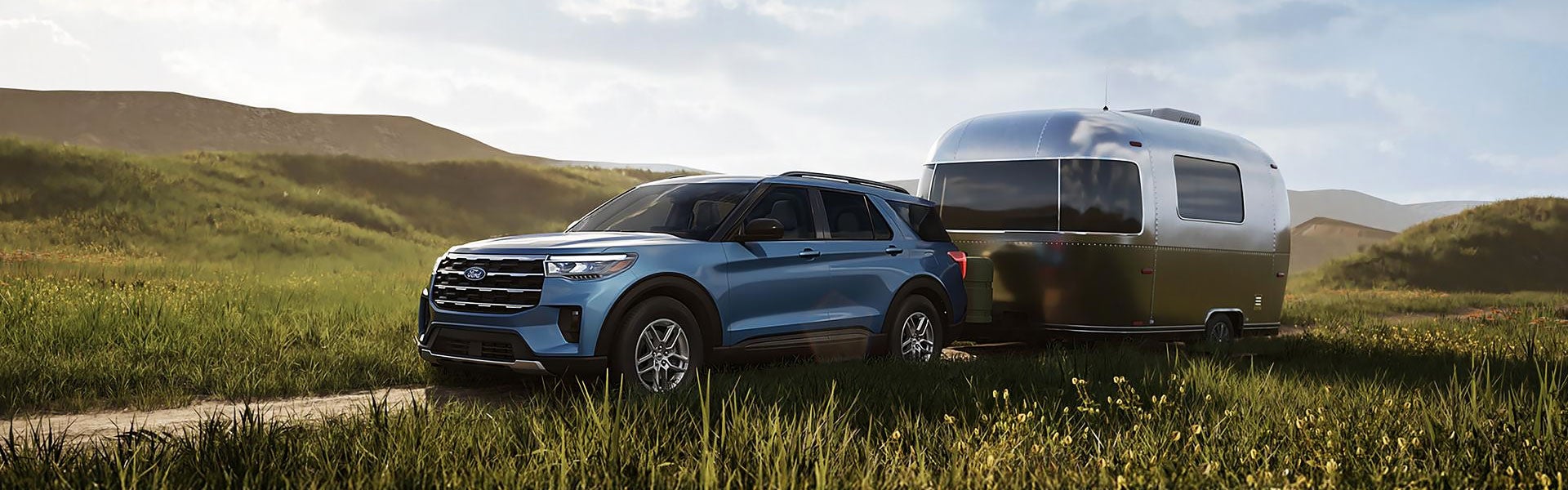
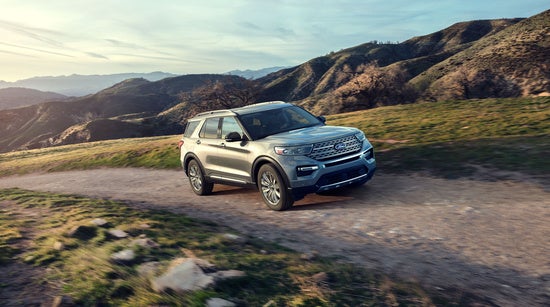
2027 Ford Explorer parked outdoors showing sixth-generation exterior design

Why the Sixth-Generation Explorer Still Makes Sense Today

Because this generation has been in production since 2020, there's more than one way to get into one. A brand-new 2027 model gets you the latest grille, the biggest available touchscreen, and current trim options, while an earlier sixth-generation Explorer through our certified pre-owned program still delivers the same rear-wheel-drive-based platform and roomy cabin at a lower price point. That's a meaningful advantage over a redesign year, where the earliest examples of a brand-new platform can carry more unknowns.

Whichever direction fits your budget, our financing team can walk you through the numbers, and if you've got a vehicle to trade in, we'll factor that into the deal as well.

Our team at Formula Ford of Rutland is happy to walk you through every Explorer trim, engine, and feature in person or over the phone at 802-683-2411.

FAQ

What generation is the current Ford Explorer?

The Ford Explorer currently in production, including the 2027 models we carry at Formula Ford of Rutland, is part of the sixth generation. This generation began with the 2020 model year and has continued through a 2025 refresh and into the 2026 and 2027 lineups, all built on the same rear-wheel-drive-based CD6 platform. Ford hasn't announced a replacement platform, so the sixth generation remains current.

What's different between the fifth-generation and sixth-generation Explorer?

The fifth-generation Explorer, sold from 2011 through 2019, used a front-wheel-drive-based unibody platform shared with other Ford models. The sixth generation moved to a rear-wheel-drive-based platform with a longitudinal engine layout, which improved towing capability, balance, and interior packaging.

Is a hybrid Ford Explorer available?

Yes. The sixth generation offers a 3.3-liter hybrid V6 that combines with an electric motor for 318 combined horsepower, giving drivers a three-row SUV with stronger efficiency than the standard gas engines.

What makes the Explorer ST different from other trims?

The Explorer ST uses a specially tuned 3.0-liter EcoBoost V6 rated at 400 horsepower and 415 lb-ft of torque, along with sport-tuned suspension and unique styling cues. You can see more of what sets it apart on our Explorer ST design highlights page.

How can I estimate my monthly payment on a new Explorer?

Our payment calculator lets you plug in a price, down payment, and term to get a quick estimate before you ever visit the dealership, and our finance team can refine those numbers once you're ready to talk specifics.

Posted in:

Related Posts

Ford Truck

What are Ford Trucks Made From?

Ford Truck Materials: Ford's truck lineup doesn't use one formula. The Maverick is a steel-dominant unibody with an aluminum hood, the Ranger is a steel body-on-frame truck with a handful of aluminum closures, and both the F-150 and Super Duty use a high-strength aluminum-alloy body mounted on a fully boxed steel frame. If you're asking specifically about Super Duty trucks like the F-250 and F-350, the answer is yes — their cab, doors, hood, and bed are aluminum, while the frame underneath stays steel. We can walk you through how each approach holds up for Vermont driving, towing, and winters. Pop the hood on a few different Ford trucks side by side and you'll notice something: they're not all built the same way. Customers at Formula Ford of Rutland ask us constantly whether Ford trucks are aluminum or steel, and the honest answer depends on which truck you're talking about. A Maverick, a Ranger, an F-150, and a Super Duty each strike a different balance between the two materials, and knowing the difference can change how you think about weight, payload, rust resistance, and repair costs. We'll break down what each model in the current lineup is actually built from — you can browse our full lineup of Ford trucks for sale at once — go deep on the question we hear most, which is whether Ford Super Duty trucks are aluminum, and explain why Ford doesn't use the same formula across every truck it sells. Shop Our Ford Truck Inventory What Ford Trucks Are Made From, Model by Model Start with the smallest truck in the lineup. The Maverick is built as a unibody, meaning the body and frame form one welded structure, more like a car than a traditional pickup, and Ford builds that structure mostly out of steel, with the hood and a handful of smaller parts made from aluminum to trim weight where it matters most. Step up to the Ranger and the construction changes again. It's a traditional body-on-frame truck, and while the frame and most of the body stay steel, Ford uses aluminum for a few specific panels, including the hood, front fenders, and part of the tailgate. The F-150 and Super Duty take the opposite approach. Both ride on a high-strength steel frame, but the cab, doors, hood, and bed are built from aluminum alloy, a strategy Ford first used on the F-150 for the 2015 model year and then carried over to Super Duty for 2017. If you're cross-shopping a half-ton against something heavier, our Super Duty inventory is a good place to start comparing. Are Ford Super Duty Trucks Really Aluminum? This is the question we hear most, so let's answer it directly: yes. Every current Ford Super Duty, the F-250, F-350, and F-450, uses a high-strength aluminum-alloy body for the cab, doors, hood, and bed. That's been true since Ford redesigned the Super Duty for the 2017 model year, two years after making the same switch on the F-150, and it's carried through every Super Duty generation since, including the current lineup. The frame is a different story. Ford builds the Super Duty frame from fully boxed, high-strength steel, because no aluminum alloy on the market matches steel's strength-to-cost ratio at the loads a heavy-duty frame has to carry. Towing a 30-foot camper or hauling a flatbed trailer puts enormous stress through the frame rails, and that's a job Ford still trusts to steel rather than aluminum. So a Super Duty isn't an all-aluminum truck — it's aluminum where weight savings pay off and steel where strength can't be compromised. Why Some Ford Trucks Use More Aluminum Than Others If aluminum saves weight everywhere, why doesn't every Ford truck use it the same way? Construction type is a big part of the answer. A unibody truck like the Maverick already saves weight through its structure, so there's less need to pay the extra manufacturing cost of converting the whole body to aluminum. A body-on-frame truck like the Ranger sits in the middle, picking up aluminum on a few higher-value panels without going all-in. For the F-150 and Super Duty, the math works differently. These trucks carry and tow the most weight in the lineup, so every pound Ford can shave off the body is a pound it can hand back as payload or towing capacity. Swapping steel body panels for aluminum ones shed as much as 350 pounds off the Super Duty's overall weight when Ford made the switch, and that savings shows up directly in higher payload and towing numbers compared to the steel-bodied trucks it replaced. What the Material Choice Means for Weight, Payload, Rust, and Repairs Whichever Ford truck you're looking at, the material mix affects more than just the spec sheet. Aluminum resists corrosion in a way bare steel never could on its own, which matters even more here in Vermont, where road salt is a fact of life for about half the year. That's one reason Super Duty and F-150 owners in our area often plan on driving their trucks for a decade or more. A few simple maintenance habits go a long way toward protecting either material from the elements, whatever truck you end up with. It also changes repairs. Collision work on an aluminum panel calls for different tools, different welding methods, and technicians trained specifically for it, so not every body shop is equipped to do it correctly. Our service team can point you toward shops in the area that handle it the right way, and our parts department can get you the right components whether your truck's panels are steel, aluminum, or both. When it's time for routine upkeep, you can schedule service online in a couple of minutes. If you're shopping used, a Super Duty or F-150 from the aluminum-body era is usually a safer long-term bet against rust than an older, all-steel model. For extra peace of mind, our certified pre-owned trucks go through additional inspection before they're ever resold. Which Ford Truck Fits the Job Once you know what each truck is built from, the next question is which one actually fits what you need. The Maverick makes sense for drivers who want pickup-bed versatility with car-like efficiency and a lower price point — if keeping the price down matters most, it's worth checking our vehicles under $25k selection, where the Maverick often lands. The Ranger splits the difference, offering real body-on-frame towing and off-road capability in a size that's easier to park and fuel than a full-size truck. Whichever body style makes sense on paper, scheduling a test drive is still the best way to feel the difference between a unibody Maverick and a body-on-frame Super Duty. The F-150 is still the do-it-all choice for most drivers, with enough capability for regular towing and hauling without stepping up to Super Duty pricing or size. If your work means serious payload, heavy trailers, or job-site duty, the F-250, F-350, and F-450 step up frame strength and towing capacity well beyond what a half-ton can offer, and that's before factoring in commercial or fleet needs, like a contractor adding a snow plow ahead of a Vermont winter. We also handle commercial financing separately from personal financing if that's the route you need. Whatever you're leaning toward, we can walk you through financing, a trade-in value on your current vehicle, a custom factory order if you want a specific configuration built to spec, or help weighing buying vs. leasing if you're not sure which makes more sense. It's also worth checking our new specials before you decide, since incentives change monthly. Our team has spent years helping Rutland-area drivers and tradespeople match the right truck to the job, and that same approach is a big part of why our dealership keeps earning repeat business from the local trades. See Which Ford Trucks Are In Stock FAQ Are Ford Super Duty trucks made of aluminum? Yes. The cab, doors, hood, and bed on every current Super Duty are built from high-strength aluminum alloy, a change Ford made for the 2017 model year and has kept through every generation since. The frame underneath is still high-strength steel. Is the Ford F-150 aluminum too? Yes, and it came first. Ford switched the F-150 to an aluminum-alloy body for the 2015 model year, two years before doing the same on the Super Duty, and both trucks still pair that aluminum body with a steel frame today. What about the Ranger and Maverick — are they aluminum? Only partly. The Maverick is a mostly-steel unibody with an aluminum hood, and the Ranger is a steel body-on-frame truck with aluminum used on panels like the hood, front fenders, and part of the tailgate. Neither goes nearly as far into aluminum as the F-150 or Super Duty. Does the aluminum body affect gas mileage or payload? It helps both. Shedding weight from the body panels makes the engine's job a little easier, which can improve real-world fuel economy, and that same weight savings gets handed back as extra payload and towing capacity. Our best gas mileage Fords page compares options across the lineup if efficiency is a priority. How do I figure out which Ford truck is right for me? Start with how you'll actually use the truck, then let the construction differences above guide the rest. Our find my car tool can help narrow down body style and trim, and our payment calculator can give you a realistic number before you ever set foot on the lot. Feel free to call us at 802-683-2411 if you'd rather just talk it through. Find Your Next Ford Truck

4th Gen F250

4th Gen Ford F-250s - Performance & Features

4th Gen Ford F-250 Overview: The fourth generation Ford F-250 Super Duty covers the 2017 through 2022 model years and was the first ground-up redesign of the Super Duty platform in nearly two decades. It paired a high-strength steel frame with a lighter aluminum-alloy body, and buyers could choose from a 6.2L gas V8, a 6.7L Power Stroke diesel, or, starting with the 2020 refresh, the 7.3L "Godzilla" gas V8. Towing capacity, payload, and interior technology all improved throughout the run, and the 2020 update added the off-road-focused Tremor package. If you are weighing whether a used 4th gen F-250 fits your work or towing needs, Formula Ford of Rutland can walk you through the trims, engines, and mileage options currently available. If you're shopping for a used Super Duty truck in Vermont, the 4th gen Ford F-250 is worth a close look. Built across the 2017 through 2022 model years, this generation was Ford's first complete redesign of the Super Duty platform in almost 20 years, and it brought real gains in strength, technology, and towing muscle to one of the most trusted names in heavy-duty trucks. At Formula Ford of Rutland, we see firsthand how well these trucks hold up to Vermont winters, job sites, and long trailer hauls, and we want you to know exactly what you're getting before you buy. In this guide, we'll walk through the engines, towing and payload numbers, interior technology, trim levels, and the mid-cycle updates that arrived with the 2020 model year. Whether you're comparing a 4th gen F-250 to a newer Super Duty or deciding if a used truck like this fits your budget, we've broken down what matters most below. Browse F-250s for Sale Near Brattleboro Engine and Performance Options in the 4th Gen F-250 The 4th gen F-250 launched for 2017 with two gas-powered choices and one diesel option, then added a third gas engine partway through the run. The standard 6.2L Boss V8 produces 385 horsepower and 430 lb-ft of torque, giving work-truck buyers a dependable gas engine without a diesel price tag. Diesel shoppers gravitated toward the 6.7L Power Stroke V8, which started this generation at 440 horsepower and was updated to 475 horsepower as Ford refined the engine over successive model years. Starting with the 2020 model year, Ford added the 7.3L "Godzilla" gas V8, a big-displacement engine built specifically for heavy-duty trucks and rated at 430 horsepower. All three engines were paired with a Ford-built TorqShift automatic transmission, with a 6-speed unit carrying earlier trucks and a 10-speed TorqShift-G arriving later in the generation for smoother shifts and better efficiency under load. Towing and Payload Capacity Underneath the sheet metal, the 4th gen F-250 rides on a frame built from up to 95 percent high-strength steel, matched with a military-grade aluminum-alloy body that shed as much as 350 pounds compared to the previous generation. That lighter body didn't come at the cost of capability. Early 4th gen F-250 trucks were rated to tow in excess of 17,000 pounds conventionally, and Ford pushed those numbers higher as the generation progressed, with properly equipped trucks capable of towing well into the five-figure range on a gooseneck or fifth-wheel setup. For contractors, farmers, and anyone who regularly pulls a trailer, boat, or piece of heavy equipment, that combination of a stiffer frame and a lighter body means less strain on the drivetrain and a more confident ride, whether you're loaded down or driving empty. If you're adding a hitch, brake controller, or other towing accessories, our parts department can help you get set up correctly. Interior Technology and Comfort Features This was also the first Super Duty generation to share its cab design with the Ford F-150, which meant a noticeably more modern interior than earlier Super Duty trucks. Depending on trim, a 4th gen F-250 can come with a Ford SYNC touchscreen infotainment system, a 360-degree camera system, trailer reverse guidance, adaptive cruise control, and pre-collision assist, all features that make daily driving and trailer work easier to manage. Higher trims add leather upholstery, heated and ventilated front seats, a heated steering wheel, and additional sound insulation, so the cabin feels closer to a well-equipped SUV than a work truck. If you're cross-shopping the lighter-duty option, our Ford F-150 vs. F-250 comparison breaks down how the two lineups differ in capability and everyday comfort. Trim Levels and the 2020 Godzilla and Tremor Update The 4th gen F-250 was offered across a full trim lineup, so buyers could match a truck to their budget and how it will be used: XL, a straightforward work-truck trim built for job sites and fleets XLT, adding more convenience and comfort features for daily drivers Lariat, with leather seating and additional technology King Ranch, featuring Western-inspired leather and premium trim Platinum, the most luxurious standard trim in the lineup The biggest change to the lineup came with the 2020 model year refresh, which introduced the 7.3L Godzilla V8 alongside a new Tremor off-road package. The Tremor package added a reinforced suspension, 35-inch tires, and off-road tuning not previously offered on a Super Duty truck, giving buyers who wanted trail capability a factory-built option instead of an aftermarket build. The 2020 update also brought mild styling changes to the front fascia and grille. Why Buy a Used 4th Gen F-250 at Formula Ford of Rutland A used Super Duty truck like the 4th gen F-250 gives you most of what a brand-new truck offers, at a lower price point and with several model years of real-world reliability already behind it. If you want to see what's currently in stock, browse our F-250 inventory near Brattleboro, or explore our full used truck inventory to compare other Super Duty options. Buyers who want extra peace of mind can also ask about our certified pre-owned trucks, which come with additional inspection and warranty coverage. We keep our budget-friendly inventory under $25,000 updated regularly, and we run ongoing specials on pre-owned inventory, so it's worth checking current pricing before you visit. If you're planning to trade in your current vehicle, our trade-in valuation tool can give you a starting number before you ever set foot on the lot, and our payment calculator and finance department can help you find a plan that fits your budget. Not sure which model year or trim is right for you? Let us find the right truck for you and we'll reach out as soon as a matching 4th gen F-250 arrives on our lot. Once you're driving, our service department is here for routine maintenance and repairs, and our team is happy to answer questions in person or over the phone at 802-683-2411. You can also check out our blog for more Ford buying guides like this one. View Our F-250 Inventory Today FAQ What years make up the 4th generation Ford F-250? The 4th generation Ford F-250 Super Duty spans the 2017 through 2022 model years. It was the first complete redesign of the Super Duty platform since the late 1990s, bringing a new high-strength steel frame and an aluminum-alloy body to the lineup. What engines were available in the 4th gen F-250? Buyers could choose a 6.2L gas V8 producing 385 horsepower, a 6.7L Power Stroke diesel that grew from 440 to 475 horsepower over the generation, and, starting with the 2020 model year, a 7.3L Godzilla gas V8. Give us a call at 802-683-2411 if you'd like help matching an engine to your towing needs. How much can a 4th gen F-250 tow? Towing capacity varies by engine, cab, and configuration, but properly equipped 4th gen F-250 trucks were rated to tow well into the five-figure range, with payload and towing numbers climbing as Ford refined the frame, hitch, and drivetrain over the generation's run. What changed with the 2020 Ford F-250 refresh? The 2020 model year brought the 7.3L Godzilla gas V8, a new Tremor off-road package with a reinforced suspension and 35-inch tires, and mild styling updates to the front fascia. It was the most significant mid-cycle update the 4th generation received. Is a used 4th gen F-250 a good buy, or should I look at a new F-250? A used 4th gen F-250 can be a smart way to get Super Duty capability at a lower price point than a brand-new truck, especially if you don't need the newest technology. If you'd rather explore a current model, our new F-250 inventory page shows what's available today. Find Your Next F-250 Now

A silver SUV drives on a dirt road through a scenic, hilly landscape under a blue sky, conveying a sense of adventure and freedom.

Best SUV for Work and Life

Best SUV for Work and Life: Choosing the best SUV for balancing work and life comes down to cargo space, comfort, fuel efficiency, and smart safety tech. The Ford Escape offers an affordable, easy-to-park option for daily commutes, the Escape Hybrid adds fuel-saving power, the Edge delivers a smooth, tech-forward ride for business travel, and the Explorer provides spacious, family-ready capability. Formula Ford of Rutland can help you compare all four models to find the SUV that fits your work and life best. Can one vehicle handle client meetings, job-site errands, school pickups, and weekend plans all at once? The crossover market is huge today. You'll see cars for daily commutes, family vehicles, and off-road adventures all vying for your attention. But finding a car that offers cargo space, comfort, good fuel economy, and smart tech is rare. Drivers today look for safety, strong resale value, and fuel-efficient engines. Ford has listened to these needs. Their cars are made for busy people who need reliability, flexibility, and great value in one vehicle. At Formula Ford of Rutland, we understand the importance of finding a car that does it all. This guide will show you what's key in a versatile crossover. Then, we'll compare Ford's best options—Escape, Escape Hybrid, Edge, and Explorer—to help you find your ideal car. Explore Our New Ford SUV Lineup What to Look for in an SUV for Work and Life Finding an SUV that works as hard as you do starts with knowing which features actually matter. Your daily routine probably includes hauling gear, meeting clients, and squeezing in family time whenever you can. The right vehicle should handle all of it without missing a beat. Below are four qualities that separate an average SUV from one truly built for your busy schedule, and you'll notice certain models check every box. Cargo Space for Work Equipment You need easy-access trunks and configurable rear seats to haul tools, samples, or supplies without hassle. Cargo space for work equipment should never feel like an afterthought in your daily grind. Comfort for Long Drives and Commutes Supportive seating and a quiet cabin cut down on fatigue during long commutes or client visits. Comfortable SUVs for long drives keep you fresh and focused, even after hours spent behind the wheel. Fuel Efficiency and Hybrid Options Frequent driving adds up fast at the pump, so fuel-efficient work SUVs matter more than ever for your budget. Hybrid SUVs for work deliver real savings without sacrificing the power you need for daily tasks and errands. Technology and Safety Features for Professionals Busy professionals need convenience and peace of mind built right into their ride. Look for adaptive cruise control, lane-keeping assist, wireless smartphone integration, and blind-spot monitoring to stay connected and protected on every trip you take. The Best SUV for Work Life: Comparing Top Ford Models Ford SUVs are made for different workdays. Whether you're driving through the city or hauling gear, Ford has a model for you. Check out four Ford SUVs at Formula Ford of Rutland, ready for a test drive. Ford Escape – Compact and Efficient for Daily Commuting Overview The Ford Escape is perfect for city driving. It's small and easy to park, making it great for busy mornings. It's also good for navigating through traffic. Pros The Escape is affordable and easy to handle. Its small size makes parking and driving in the city simple. It also saves on gas, which is a plus for daily commutes. Cons The Escape's small size means less room for cargo. If you need to carry big tools, it might not be enough space. Features The Escape has a great infotainment system and safety features. It helps you stay connected and safe on long drives. Ford Escape Hybrid – A Fuel-Efficient Work SUV Option Overview The Ford Escape Hybrid is great for long commutes. It saves on gas without losing practicality. It's perfect for those who drive a lot. Pros The hybrid model saves a lot on gas, which is a big plus. It also accelerates smoothly, making your drive more comfortable. It's reliable for daily use. Cons The hybrid model costs more upfront. But the long-term savings on gas can make up for it. Features The hybrid model uses regenerative braking to save energy. It's very efficient, so you won't need to fill up as often. Ford Edge – Comfortable and Capable for Business Travel Overview The Ford Edge is great for business travel. It's comfortable and has the features you need. Car Talk calls it the "Best Midsize SUV." Pros The Edge is smooth and quiet, making long trips easy. It has great tech and a sporty ST trim for fun driving. Cons The Edge doesn't have a third-row seat. It's best for smaller groups or solo travelers. Features The Edge has advanced safety features. The ST trim adds a turbo engine and sport suspension for a sportier feel. Ford Explorer – Spacious Power for Work and Family Life Overview The Ford Explorer is perfect for work and family. It's spacious and powerful. Car Talk says it's one of the best 3-Row SUVs. Pros The Explorer has lots of room for passengers or cargo. It's also great for towing. You can choose from various trims to fit your needs. Cons The Explorer's higher trims cost more. If you're on a budget, consider the extra features and cost. Features The Explorer is versatile, with seats that fold flat for cargo. It also has advanced towing packages for heavy loads. It's great for work and family needs. Find Your Perfect Work-Life SUV at Formula Ford of Rutland Choosing between the Escape, Escape Hybrid, Edge, and Explorer depends on your work-life balance. At Formula Ford of Rutland, we make this choice easy and worry-free. Our team is well-versed in these models. Whether you need a compact SUV for city driving or a larger vehicle for family and gear, we'll guide you. We'll compare features side by side to help you decide. We also simplify financing, so you can find a payment plan that suits your budget. No pressure, just clear answers to your questions. Want to see these SUVs in person? Visit us at 4318 Middle Rd, Rutland, VT 05701, or call 802-683-2411 to schedule a test drive. Our team is ready to help you find the perfect SUV for your lifestyle. Your next work-life SUV awaits at Formula Ford of Rutland. Come visit us today and experience the perfect fit for yourself. Browse Our New Ford SUV Options FAQ What makes an SUV a good work vehicle option for busy professionals? A good work vehicle SUV has cargo space, comfort, and good fuel efficiency. This lets you move easily from meetings to job sites without changing cars. Ford's lineup at Formula Ford of Rutland, like the Escape, Escape Hybrid, Edge, and Explorer, offers flexible options for your work life. Do fuel-efficient work SUVs really save money over time? Yes! Fuel-efficient SUVs like the Ford Escape Hybrid can cut down gas costs, which adds up over time. They're perfect for frequent work drives. What professional SUV features should I look for when shopping? Look for features like adaptive cruise control, lane-keeping assist, wireless phone integration, and blind-spot monitoring. Ford's Escape, Edge, and Explorer models have these to keep you safe and connected on busy days. Which Ford SUV offers the most comfort for long drives? The Ford Edge is great for long drives. It has a quiet cabin, comfy seating, and a smooth ride. It's perfect for professionals who travel a lot for work. Can I test drive these SUVs at Formula Ford of Rutland? Yes! Visit us at 4318 Middle Rd, Rutland, VT 05701, or call 802-683-2411 to schedule a test drive. Our team is ready to help you find the right SUV for your work and life. Find Your Work-Life SUV Today